









Bachelor of Music Program
Undertake the Bachelor of Music to build essential skills for a successful career in today’s music industry. Gain expertise in songwriting, composition, music business, stagecraft, recording techniques, and studio production. Building on the core skills of a working music professional, this bachelor’s degree allows you to choose from a range of electives and specialise in songwriting and music production, electronic music, music industry, or creative musicianship. You’ll be guided by expert mentors as you create music for games, TV, film, and live performance, while collaborating with SAE students across other creative disciplines. This immersive, project-based approach ensures you graduate with a professional portfolio and the career-ready expertise needed to thrive in a competitive industry.Why Study Music at SAE?
CHECK OUT OUR MUSIC ELECTIVES BELOW
Learn using Industry Tools & Software









GRADUATE FROM SAE’S MUSIC COURSES WITH PRACTICAL SKILLS IN:
CAREER OUTCOMES
WHERE OUR MUSIC COURSES COULD TAKE YOU
- Studio Composer
- Music Producer
- Music and Sound Designer
- Live Music Performer
- Music Technician
- Music Supervisor
- Songwriter
- Creative Director
- Digital Content Creator
- Arts Manager
- Composer for film, games and other media
Taught by artists, producers and creatives
Taught by artists, producers and creatives

Sean combines his acclaimed career as a composer and pianist with educational leadership, overseeing Contemporary Music and Audio programs across multiple SAE campuses. His international performance experience and research into music technology provide students with globally relevant industry insights.

ARIA nominee and seven-time Queensland Music Award winner for Jazz Work of the Year
Recipient of prestigious APRA Professional Development Award and Brisbane City Council Artist Fellowship

Published researcher on music business, career development, and technology in renowned journals
"There’s a deep sense of creative innovation at SAE – lecturers work with students to realise their ideas and help them understand how to thrive in the industry."
Taught by artists, producers and creatives

Claire combines her accomplished career as a composer, multi-instrumentalist and academic researcher to provide students with contemporary insights into music industry practice. Her creative work spans multiple formats, from stage performances to screen compositions.
University Medal recipient for outstanding scholarship in research
Australian Government Research Training Program Scholarship recipient for PhD studies

Debut solo album "Sotto Voce" received international acclaim, including recognition from US Rolling Stone
Taught by artists, producers and creatives
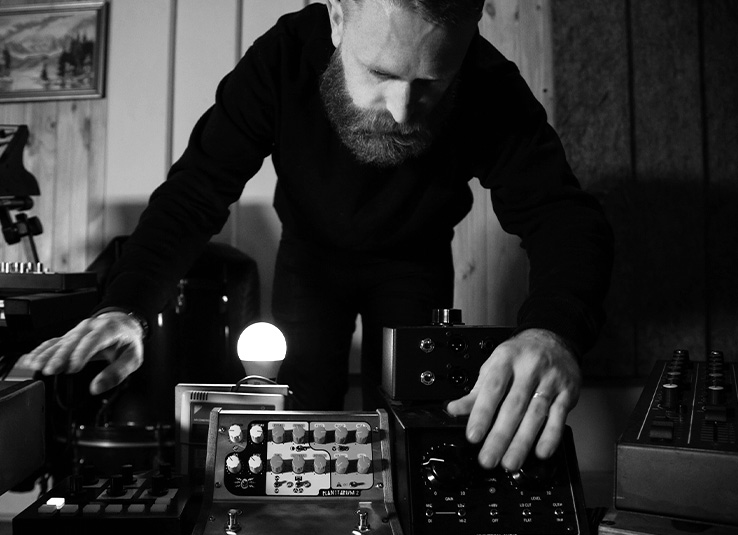
Ryan combines academic knowledge with practical industry expertise to prepare the next generation of audio professionals. His experience spans live sound, studio production, and performance, giving students comprehensive insights into multiple career pathways.
Master of Design Science in Audio and Acoustics, blending technical knowledge with creative application
Tour manager and front-of-house operator for acts including South Summit and Julia Jacklin
Studio collaborations with renowned artists including King Gizzard & The Lizard Wizard, Pete Murray, and Montaigne
What our students say about SAE
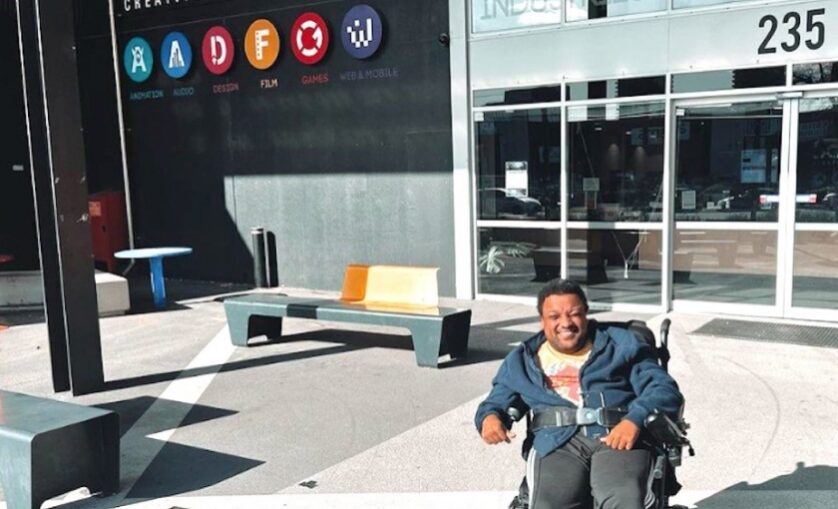
Samson Hailu
Bachelor of Music student

Isabella Piper
SAE Alumni | Current Job: Producer, Vocalist, Performer and DJ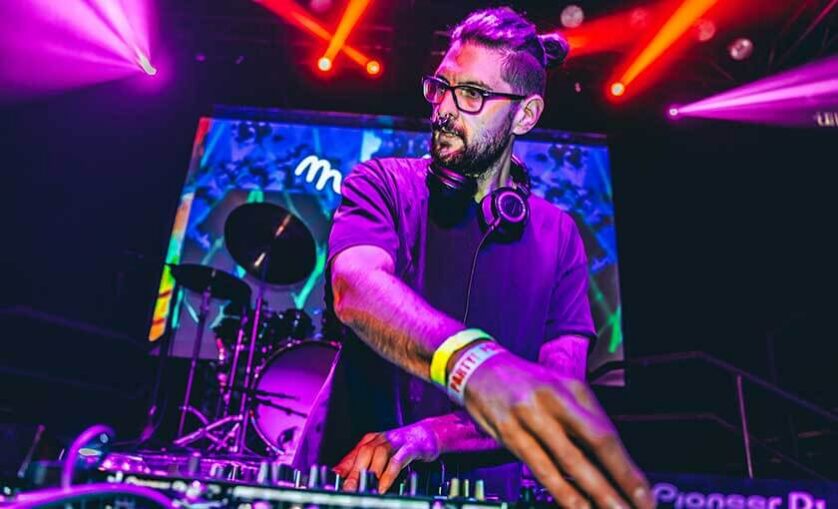
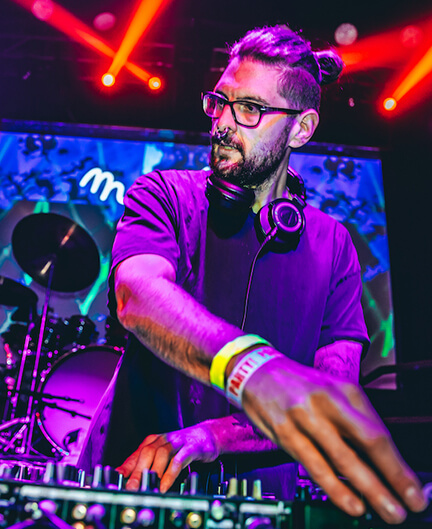
Bill Day
SAE Alumni | Current Job: DJ Bill Day AKA Mr Bill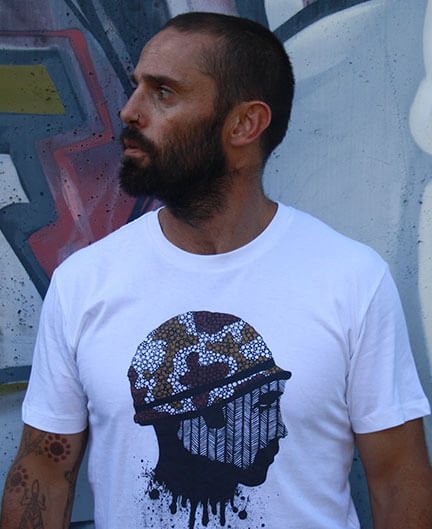
Michael Weir
SAE Alumni | Current Job: Professional MusicianARE OUR SONGWRITING AND MUSIC COURSES FOR YOU?
Still deciding whether you want to study one of SAE’s music production courses? Check out our suitability recommendations to consider before you study music at SAE.
- a strong sense of creativity and imagination
- a willingness and ability to collaborate effectively with people from diverse backgrounds, including industry practitioners
- have technical, computer and software skills
- have critical thinking and problem-solving skills
- adaptability to changing technologies and industry trends
- possess an interest in the societal, ethical and cultural factors influencing creative industries
- a willingness to devote up to 10 hours per week for every 10 credit points you study. This will allow for scheduled classes, personal study and project work.
- a keen interest in music creation, performance or production
- aptitude for music theory and creation
- a basic understanding of music genres, styles, and techniques.
Music
Here are some frequently asked questions.
A career in music production involves shaping the sound of a song or recording. Producers work with artists to arrange, record, edit, and mix tracks. They make creative and technical decisions that influence how a song feels and how it connects with listeners. Some producers also help guide the direction of a project or manage studio sessions.
Producers work across many genres, including pop, rock, electronic, hip hop, classical, and more. Some specialise in a particular style, while others are more versatile. Whether working with bands, solo artists, or composing for film or games, producers play a key role in shaping the final sound.
A recording studio might include a producer, audio engineer, mixing engineer, mastering engineer, and session musicians. Larger projects may also involve vocal producers, sound designers, or editors. Each role focuses on a specific part of the process to bring a track to life.
While having musical skills can help, you don’t need to be a performer or composer to work in music production. A good ear, strong technical ability, and a creative mindset are often more important. Many successful producers don’t play instruments but understand how to guide and shape sound.
Start by learning the basics of recording and mixing. You can begin with simple equipment at home and experiment with creating and editing tracks. Studying music production at SAE can help you develop a deeper understanding of the process and build a portfolio of work to show potential clients or employers.
To begin, you’ll need a computer, audio interface, headphones or monitors, and a digital audio workstation (DAW) such as Ableton Live, Logic Pro, or Pro Tools. A microphone and a MIDI keyboard are also useful. As you progress, you can build your setup based on your style and goals. As part of your course at SAE you’ll get hands-on experience with the tools of the trade.
You don’t need to be an expert in music theory, but having a basic understanding can be helpful. Knowing how chords, scales, and rhythms work can make it easier to communicate with musicians and make stronger creative decisions. Many producers learn theory gradually as they work on more music.
You’ll need a good ear for detail, an understanding of audio frequencies, and knowledge of how to balance and enhance sound. Mixing involves adjusting levels, EQ, compression, and effects to create a clear and engaging track. Mastering ensures the final version sounds polished and consistent across different platforms.
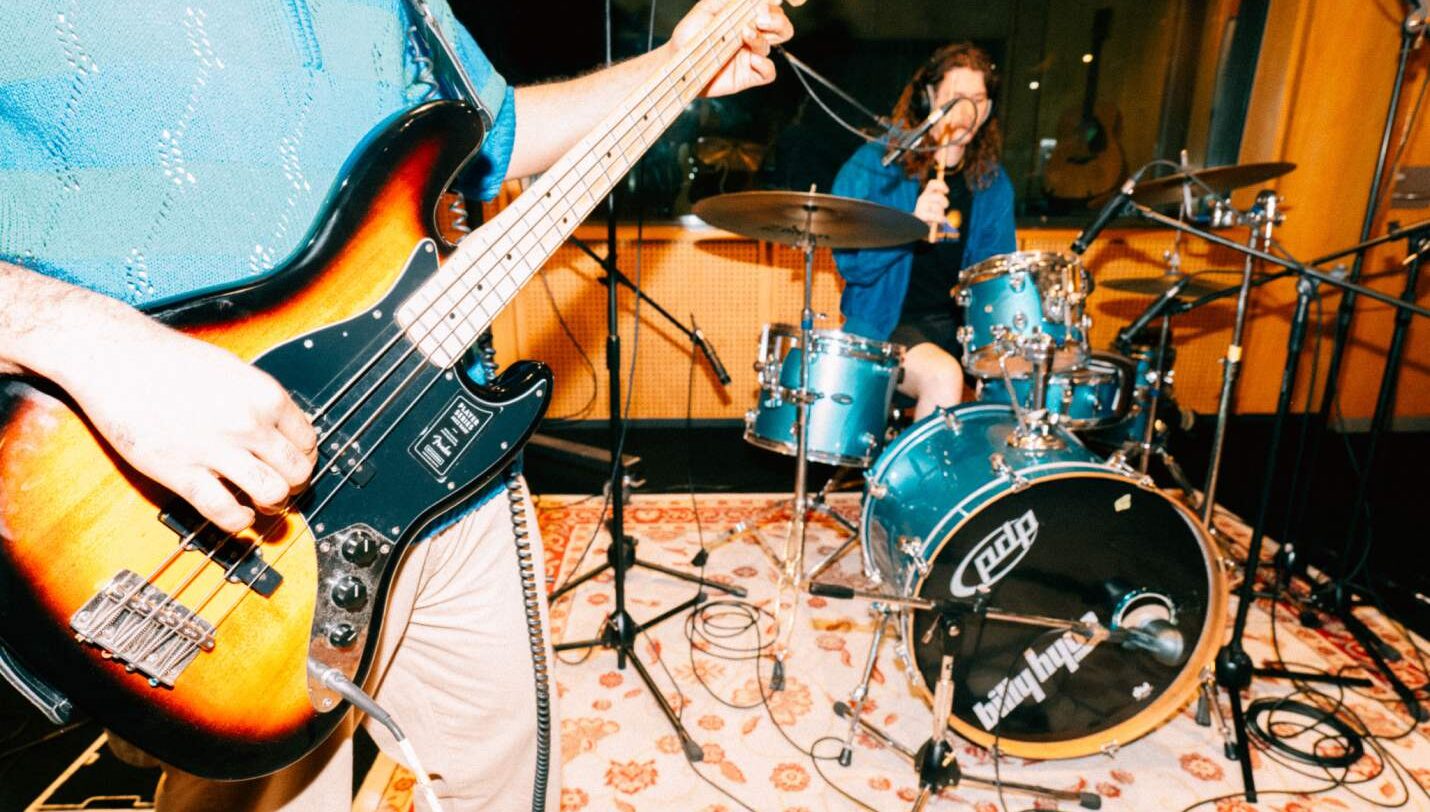
Why study a music making course at SAE
At SAE University College, our practical approach to learning allows you to start honing your skills from day one, establishing a portfolio of work fit to impress your future clients. You’ll learn in small, collaborative classes and online study components, designed to offer the tailored academic support you deserve.
Guided by expert lecturers with extensive professional experience, you’ll master the latest industry-standard tech and tools to create projects you’re proud of. Our campuses are packed with specialist equipment and software for you to develop the in-demand technical skills required for your dream career.

Cross-discipline collaboration allows you to learn from your peers and expand the depth of your creative projects. Together, you’ll develop innovative solutions to real-world briefs and build highly transferable communication and project management abilities.
To complement your technical skills and ensure you graduate industry ready, you’ll learn key strategies for self-promotion and personal brand development and explore ways to leverage these skills in an ever-evolving creative market.
Want to know more? Have questions to ask us? Get in touch with our enrollment advisors today!