




Bachelor of Music
Learn to make music that moves.
Plan A – Yearly Payment Plan
Year 1 (3 Trimesters)
Tuition Fees: AED 62,730.00
Year 2 (3 Trimesters)
Tuition Fees: AED 62,730.00
Year 3 (2 Trimesters)
Tuition Fees: AED 41,820.00
Total Programme Fees
AED 167,280.00 (excluding VAT)
For more details and other payment plans, please view this page.
Plan A – Yearly Payment Plan
Year 1 (3 Trimesters)
Tuition Fees: AED 62,730.00
Year 2 (3 Trimesters)
Tuition Fees: AED 62,730.00
Year 3 (2 Trimesters)
Tuition Fees: AED 41,820.00
Total Programme Fees
AED 167,280.00 (excluding VAT)
For more details and other payment plans, please view this page.
Complete the program across 3 years (8 trimesters)
Complete the program across 3 years (8 trimesters)
September 2026
September 2026
Your creative career starts with SAE
Course Structure
The Bachelor of Music is broken up into three distinct stages, each designed to develop different skills.Building on the core skills of a working music professional, the Bachelor of Music at SAE allows you to choose from a pool of electives throughout your study, investigating focused areas of contemporary music including electronic music, songwriting & music production, music industry and creative musicianship. The Bachelor’s degree allows you to further develop your specialisation skills and prepares you for entering into the industry through your major project and portfolio and work placement.Thinking About Audio and Music introduces you to creative and scholarly thinking in your discipline. By examining leading thinkers and movements in audio and music, you will develop an understanding of key practical and professional skills that will enable you to develop a deeper understanding of the industry, scholarship, and the nature of creativity. This unit forms an essential foundation for your studies and future career by fostering your skills as an independent learner and reflective practitioner.
This unit encourages creative expression and highlights how music technology enables creative individuals to engage with music, resulting in exciting new streams of music that wouldn't have emerged from traditional compositional approaches.
Throughout this introductory unit, you will immerse yourself in the process of modern songwriting, gradually expanding your artistic scope by exploring new approaches to songwriting and evolving your existing practices. Through a series of projects, you will employ digital tools and acoustic instruments to enhance your comprehension of pitch, rhythm, and song structure. Moreover, you will deepen your understanding of the diverse elements and sounds that contribute to creating a coherent and harmonious composition. Working individually and collaboratively, you'll compose musical arrangements, create lyrics, melodic motifs, and chords, in order to create complete musical works.
This unit introduces you to core skills and concepts of electronic music production. You will work on a range of music projects to develop skills in recording, sampling, sequencing and synthesis. You will develop your abilities across contemporary tools and technologies to produce original music in a DAW using a combination of MIDI and audio manipulation. You will also learn how to produce a variety of sounds to satisfy a brief and add effects to enhance the sonic qualities of your productions.
This unit introduces you to core skills and concepts of studio and analogue music production. Across a range of projects, you will develop skills around microphone techniques, analogue signal flow and engineering techniques, recording and mixing. You will develop your abilities across contemporary tools and technologies to produce original music in a DAW using studio production techniques. You will also learn how to produce a variety of sounds to satisfy a brief and add effects to enhance the sonic qualities of your productions.
This unit will introduce you to the mindset and skillset of the creative entrepreneur, and transform your approach to problem-solving. You will analyse historical and contemporary models of leadership and best practice in entrepreneurship, and use tools for project design that include ideation, problem framing, and pitching. The skills in this unit will assist you in developing your creative thinking, exploration, and experimentation methods, allowing you to experiment with project design and content for creative media.
This unit introduces you to the concepts of stagecraft, live music performance and musicianship, production design and the technology used in live-sound production. Musical artists often play a leading role in designing and executing live performances of their music. Live music is both a major source of an artists income as well as a branding and marketing event. Additionally, live sound experience, skills and knowledge can open up regular, well-paid work within the music industry.
Designing and producing a live music performance plays an important role in engaging audiences and creating entertaining experiences. Visuals, costumes, props, lighting and stage design can all contribute to successful music performances and developing these skills in addition to technical audio skills will provide you with a broader range of professional skills. Repertoire, musical arrangements and genre conventions are some of the skills employed by musicians in developing their musical works.
In this unit you will be given opportunities through the project design to collaborate with students from other disciplines and through analysis and planning the unit will culminate in a live event of your own design.
Understanding musical genres is a core skill for successful songwriters and music producers. This module builds on your knowledge of music with a focus on musical genres and styles, genre structure, texture, melody, harmony, and rhythm, as well as aspects of history and social connections.
Knowledge of musical genres is developed through a broad range of activities and projects incorporating analytical listening, transcription, group performance and composition within the specific genres.
In Music Studio 1 you will learn the professional application of a range of songwriting and music production techniques. This includes working with other producers, writers, performers and external musicians to produce a recording, contributing to a sample library, remixing an existing track and working to a commercial client brief. These activities will require you to be adaptive, respond to challenges, solve problems, be self-directed and successfully communicate with others. Through working in these applied contexts, you will deepen your knowledge of songwriting and music production, so that you can respond creatively to a fast-turnaround brief.
Developing your personal and professional practice is an essential part of the creative media practitioner’s skill set. Identifying knowledge areas and skill sets you may need to improve upon for your personal and professional development, then developing an action plan for improvement, are learned skills that a creative practitioner can leverage to continually build upon their goals.
In this unit, through a study of goal setting, SMART goals, and PIMRI improvement processes, you will plan and implement a personal project to develop skill or knowledge in an area of choice for improvement under the tutelage of a mentor. Student and facilitator feedback sessions will help you finesse your project, and exemplars of great goal setting from industry professionals will be used to guide your exploration. Through the completion of this unit, you will develop a practice that can aid you in your personal and professional life.
In this unit, you will collaborate on interdisciplinary projects that blend creativity and technology across fields such as film, audio, music, gaming, design, and computer science. Through project-based learning, you'll explore how different disciplines contribute to innovative outcomes—like immersive installations or interactive experiences. The unit focuses on strengthening communication, problem-solving, and teamwork across creative and technical areas. You'll be challenged to apply your existing skills while embracing new perspectives and ways of working, developing a holistic understanding of contemporary media production and preparing you to deliver complex, boundary-pushing creative solutions.
The music industry is a complex and multifaceted creative marketplace. An understanding of the fundamental operations of the legal and business side of the music industry is essential for budding artists, managers or entrepreneurs to be able to forge a successful career. Understanding the legal frameworks relevant to monetising music is essential as is building a solid foundation of the common business principles and cultures.
In this unit you will study legal frameworks common within the music industry and the business dealings that form the backbone of the marketplace. You will develop a series of documents you can apply to your real-world practice and gain a basic understanding of the financial management of small businesses.
With your facilitator acting as your project manager, mentor and colleague, this studio module will further develop your songwriting and music production skills through a variety of creative projects. Topic areas will include writing for visual and multimedia, music for advertising, writing to a brief, mixing and delivery, critical listening and aural and music skills. You will apply your new skills in a variety of contexts in projects that may include writing music for screen media, topline writing, remixing and reharmonising existing works, music for advertisements and sonic branding.
Responding to briefs in collaboration with your peers, you will work towards established project milestones in your songwriting and music production projects. You will adhere to a planned schedule and demonstrate professional practice throughout the trimester. This process includes focus on the creative, technical and managerial aspects required for a completed music project. You will also have the opportunity to contribute your songwriting and music production skills to an interdisciplinary project, collaborating with students from another discipline. Your finished work will be exhibited in an authentic context.
Creatives have always contributed to real-world problem solving, whether through innovative inventions, creative calls for action, public awareness building, or art and science collaborations. In this unit you will use your interdisciplinary collaboration skills to address a real-world problem. Using different theoretical frameworks within a ‘hackathon’ style studio environment you will produce a prototype that can be presented within SAE, as well as to external stakeholders.
Using social media and digital content effectively is crucial for creative media professionals. In this unit you will develop an understanding of what constitutes social media, the activities that it consists of and how creators and audiences connect, collaborate, create, and share content. You will link this understanding with concepts of digital marketing, formulating strategies for social campaigns with a range of content across platforms. These skills will assist you to determine how social media can be utilised in your professional practice
Musicians engage with their communities in a variety of ways. Often engaging with the community in a holistic, 360-degree fashion is essential to carving out a niche within the industry and developing a long and successful career. Musicians themselves exist within a community including audiences, business partners and other stakeholders, and the community as a whole.
This unit builds on previous studio units in developing your awareness and understanding of the practicing musicians place in, and effect on, the larger community.
Major Project Development forms the first component of your Capstone Project. In this unit you will work to conceptualise, plan, design and iterate the development, pre-production and early production stages of a full scale creative project. This will be assessed by two projects: a research component and a production planning component. Together, both of these documents will inform the basis for your CIM330 project, and will identify key moments of production, testing and operative cycles designed to help make your creative project a success.
Your class facilitator will work with you to control and guide the scope of your project. This process ensures that by the end of CIM330 Major Project Production you will have a portfolio piece that represents the sum total of your skills and experience, delivered on time and to specification.
As stage 3 students, it is expected that you are at a level where you can synthesise your reflective practice with your discipline and research work. Therefore, there is no CLO1 or learning journal for this unit. Instead you will deliver appendices to projects 1 and 2, which contain examples of your practice that demonstrate the research and planning that you have undertaken.
This does not mean you do not record your pre-class work or maintain a learning journal for your own purposes - rather it is assumed you are using the pre-class and in class activities as tools to enrich your project development and are applying the various lenses and concepts.
Throughout this unit, you will investigate relevant emerging technology such as NoCode, Augmented and Artificial Intelligence, and Machine Learning as they relate to your creative practice. You will have an opportunity to explore topics such as digital literacy, AR/VR, mobile delivery, digital folios, e-commerce, social media, and digital teams.
You will also experience discipline-relevant emerging technologies, including audio and video based applications, locative media, visual and open-source programming principles, and AI-driven multimedia - depending on your interests and chosen creative media specialism.
As a creative practitioner, your ability to engage in interdisciplinary creative activity will transform your approach to media creation. In this unit you will use your various media skills to create multi-sensory approaches to real experiences for audiences, crafting work that allows your audience to feel, see, hear and experience something different.
You will develop skill and understanding of what interdisciplinary collaboration involves, how immersive experiences and the experience economy works, and the steps to take to create a physical multimedia experience. You will focus on practical elements including projection mapping for spaces and video mixing, audience engagement through sensors and triggers, audio integration, and the stages of planning, marketing and execution of an experience for a defined audience and client.
You will also be challenged to apply your discipline skills in new contexts using remote practice, digital communication, cross-discipline collaboration, and creative marketing.
Using the project plan and pre-production work that you completed in the Major Project Development Unit, you'll adopt a quality framework that will lead to the publication of a final creative piece.
This quality process will be accountable to multiple, external stakeholders and will test your ability to problem solve, evaluate and synthesise information to the standard that we expect from all SAE graduates. Throughout this journey, you will interact with your classmates and other key stakeholders using the processes and systems and that you would have developed throughout your course.
The publication and subsequent success of the final deliverable will represent the broadening and deepening of your professional practice which has occurred during your journey.
Future jobs will require workers to learn on the job; focus on relationships with people; have strong communication skills; use a range of transferable skills. Research consistently points to the benefits of students being prepared with documents that are required for job applications, such as a Resume, Cover Letter, and E-portfolio.
In addition, the value of a Work Placement which provides you with professional experience and an opportunity to use skills and knowledge gained from study to complement this.
The Work Placement for SAE Bachelor students requires a minimum of 80 hours at one or more host organisation. Both the student and the host are required to complete an SAE Agreement which formalises the placement.
In this audio unit, you'll enhance critical listening and technical abilities by comparing and contrasting environments, digital audio workstations (DAWs), and workflows. You will chronologically explore the art of mixing through a variety of styles and gain insights into its contemporary role in music consumption. The course addresses environmental impact on mixes and offers optimisation strategies, allowing you to expand and refine your workflows to service a variety of musical styles and listening environments.
Music composers and songwriters work across various mediums and collaborate with producers of different media backgrounds. Visual and screen media include feature films, short films, advertisements, social media content and web video amongst many others. Writing to develop and reinforce the content of screen media is a valuable skill set for the working songwriter, composer and music producer.
This unit explores the history and development of screen media composition. Through the study of a variety of works, students will better understand the role of the composer and producer in developing music for screen and visual media. Students will work with interdisciplinary collaborators and write and produce music for a variety of media outcomes.
Using electronic tools and workflows to produce music is common practice amongst music producers. Music listeners are also better informed and discerning when it comes to consuming music and engage with music via digital and electronic means. As a music producer, your understanding of music technology and electronic music production methods will be vital in order to stand out from the ever-increasing crowd of music artists. A keen understanding of the history of electronic music and genre is also highly valued in today’s marketplace.
You will gain a practical and theoretical understanding of how music is produced in terms of technology and techniques. Additionally, you will learn to analyse songs in order to understand the genre and subgenre of the music to be able to break it down into elements of music and sound design to then produce music of that genre or subgenre.
Performing live enhances the skills of electronic musicians by providing opportunities to engage with audiences, refine improvisational abilities, and experiment with real-time sound manipulation, thus fostering creativity and expanding their artistic horizons.
In this unit, you will analyse live music performances to grasp the diverse roles of technology onstage, applying this knowledge to composition, sound design, and arrangement. You will design and implement a technology-focused live set, exploring the use of Ableton Live's non-linear sequencer and performance-oriented tools and techniques along with hardware devices and MIDI controllers.
Using techniques of sound manipulation and musical expression you will craft a dynamic and innovative performance. The unit also examines the integration of visual elements to design immersive, multi-sensory experiences for your music venue, club, festival audience, or live-streaming event.
Gain an introduction to the principles of entrepreneurship to create and operate your own creative media small business venture. Through analysing the global media landscape, You'll be able to identify and explore start-up opportunities within the creative industries.
This unit is designed to be done in parallel with your capstone project. You'll apply the skills and knowledge from this unit to formulate a rigorous business case to help you commercialise your capstone project and use it as a basis for a creative media start-up.
Learn using Industry Tools & Software








WHAT TO EXPECT WHEN STUDYING A BACHELOR OF MUSIC WITH SAE
Want to learn from experienced industry mentors in a professional studio environment? Ready to master the latest cutting-edge tech and tools and gain real-world experience along the way?
Our Bachelor of Music develops in-demand technical skills in songwriting, composition, music business and industry, stagecraft, recording techniques, electronic music production, and studio music production.
Building on the core skills of a working industry professional, you’ll choose from a pool of electives and tailor your degree to your specific interests. We offer units that specialise in:
Songwriting and Music Production
These elective units focus on songwriting and composition for screen media (film, television and online content) and video games. Develop scoring, notation and arrangement skills and learn advanced studio production techniques, including mixing and mastering.
Electronic Music
Develop technical skills in digital mixing, mastering and sound design, sampling, synthesis, beat programming and various contexts for live electronic music creation.
Music Industry
Discover the dynamic and ever-changing music industry – from artist and event management to digital music strategies, music exports, industry frameworks, marketing and entrepreneurship concepts.
Creative Musicianship
Examine elements of branding, creative identity, and marketing to complement your creative portfolio. Build performance skills incorporating technology and explore creative music making from a future-focused perspective.
No matter which area of music you choose to focus on, you’ll tackle real-world project briefs with SAE students from other disciplines and create a portfolio of work fit to impress your future employers.
Plus, our bachelor’s degree in music features Work Integrated Learning (student placement), ensuring you graduate with practical industry experience under your belt.




Career Outcomes
Where our Bachelor of Music could take you
- Songwriter
- Music Producer
- Artist Manager
- Artist / Musician
- Live Musician
- Studio Musician
- DJ
- Electronic Producer
- Content Creator
- Music Entrepreneur
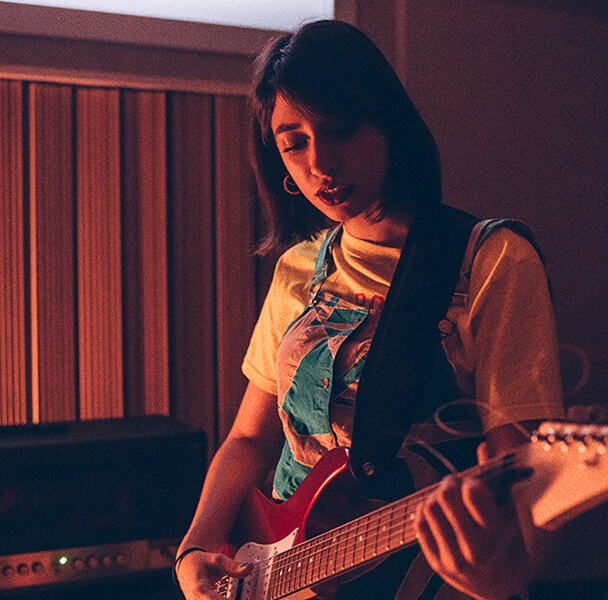
What our students say about SAE
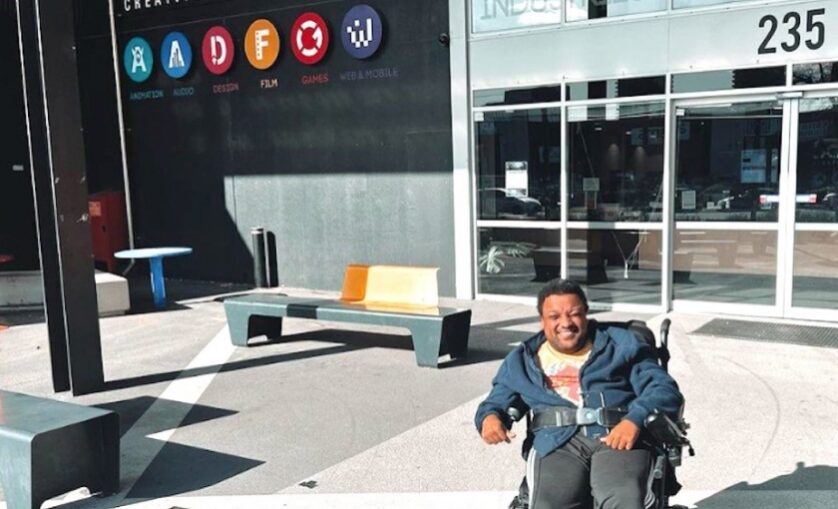
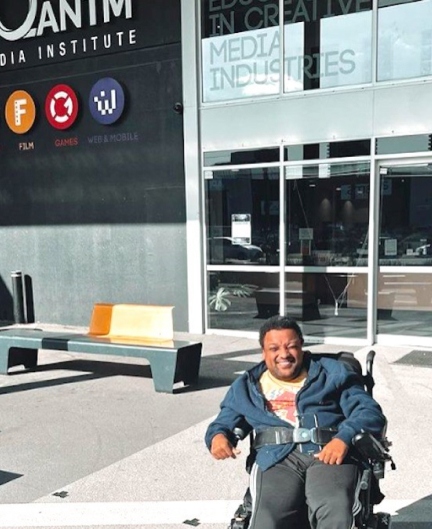
Samson Hailu
Bachelor of Music student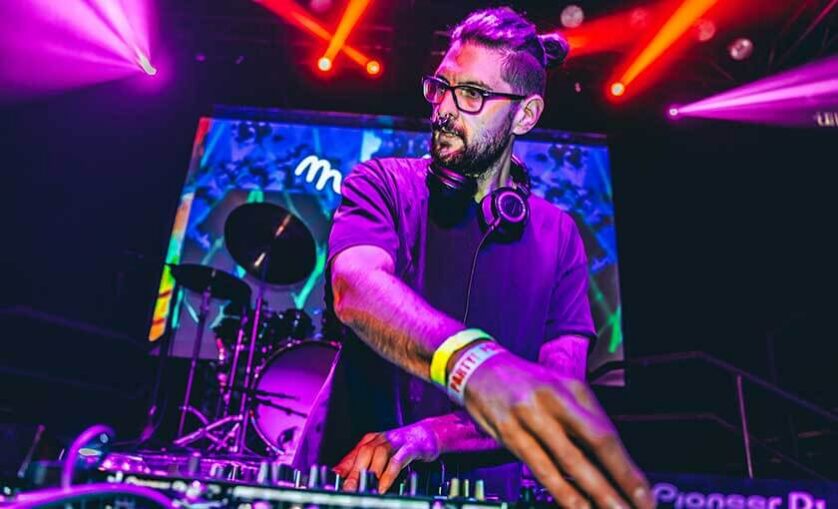
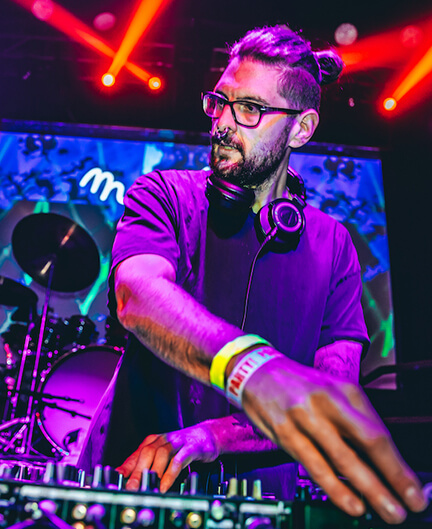
Bill Day
SAE Alumni | Current Job: DJ Bill Day AKA Mr Bill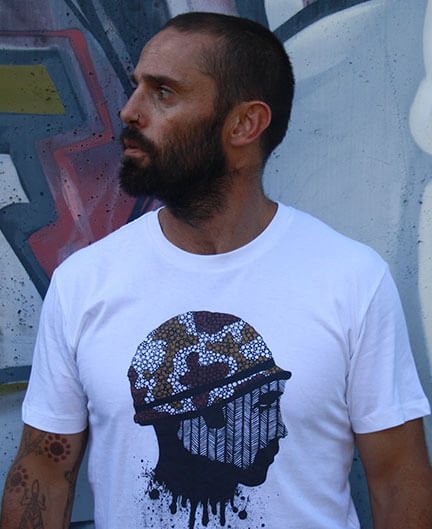
Michael Weir
SAE Alumni | Current Job: Professional MusicianSAE’s Bachelor of Music offers:
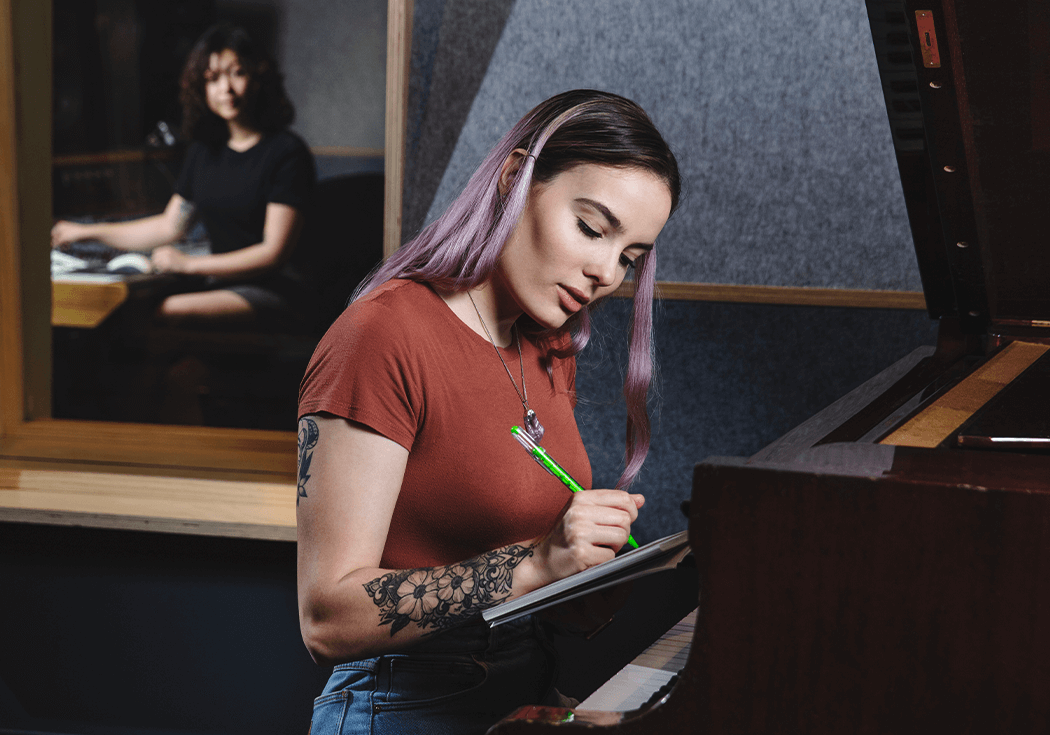
Develop your craft in the music styles you love - write and record your songs/compositions and explore music productions in small and large studio environments.

Get in-depth knowledge of the music industry with practical, collaborative, industry standard mentoring and develop business acumen/entrepreneurial ideas.

Realise your artistic vision and identity as a musical artist through experimentation and exploration of stagecraft, various music making contexts and current and emerging technologies.
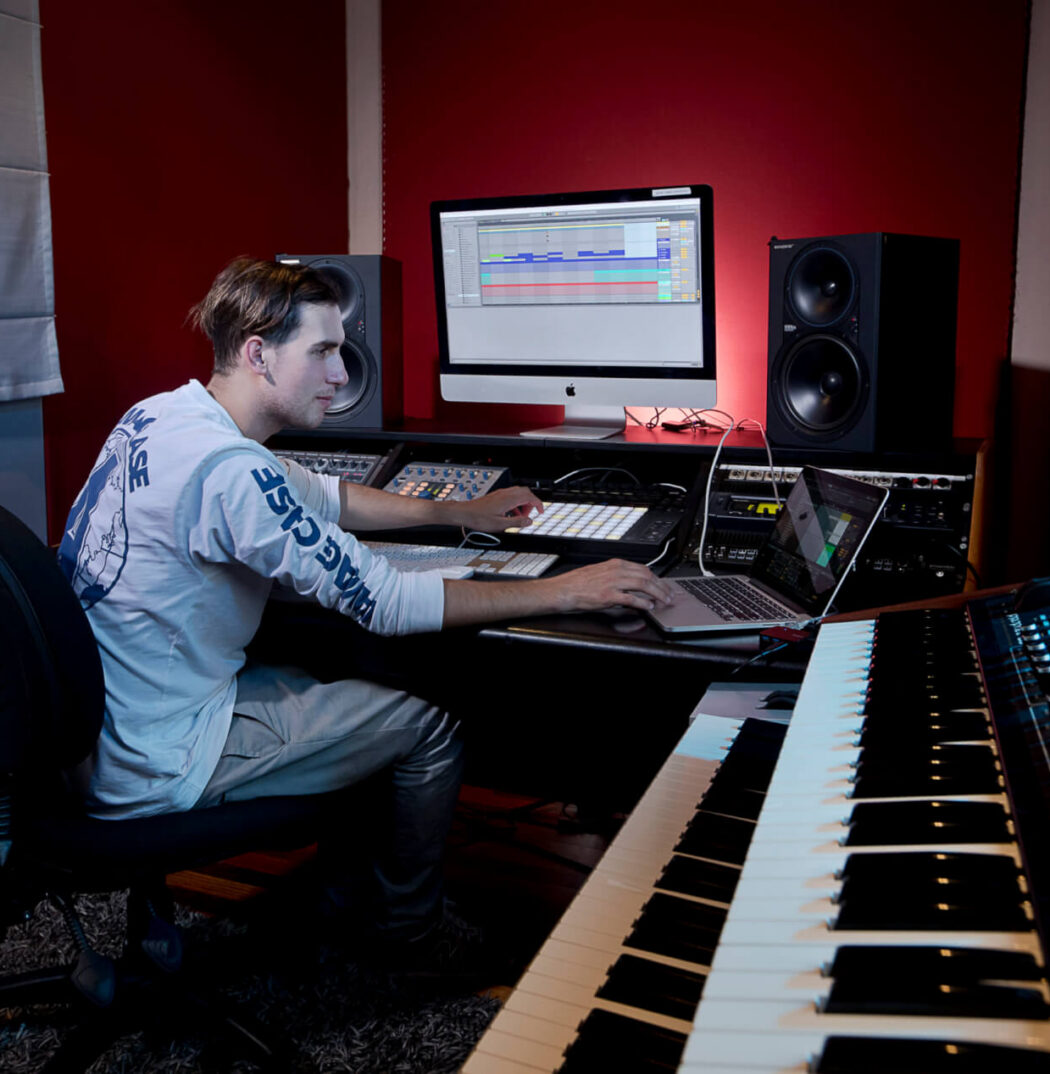
Get a range of approaches to learning and teaching - virtual and on-campus that provides flexibility, real-world application and support for students.
What you'll learn
YOUR CAREER IN MUSIC BEGINS NOW
HELP & SUPPORT
Here are some frequently asked questions
You can apply for SAE courses quickly and easily online. Go to our Apply now page for further information.
Your choice of music qualification depends on your career goals. If you’re looking for a crash course in music, our Diploma of Music can be completed within just seven months and will help you get your foot in the door of the music industry with entry-level roles.
For a more in-depth look at music techniques, our Associate Degree of Music can be completed in under a year and a half (15 months).
However, our top recommendation is always the Bachelor of Music – this is our most comprehensive music program. Not only will you be able to specialise in an elective area of your choice, but you’ll graduate with industry experience on your resumé thanks to our Work Integrated Learning unit.
By studying a music production degree like our bachelors degree in music, you’ll graduate with the practical skills employers are looking for, including:
- sound design and manipulation
- songwriting
- recording, sampling and sequencing
- digital content creation
- critical listening
- remixing and reharmonising
- audience engagement
- creative business development, and more!
Plus, our Work Integrated Learning unit gives you a feel for the industry, allowing you to work in a professional environment and put your skills into practice before you wrap up your studies.
From the emotive side of music (think composing orchestrations or mastering songwriting that pulls at listeners’ heartstrings) to the technical side of the industry that relies on sharp production, music offers a dynamic career path with endless role possibilities.
As an SAE music graduate, you could be a choir director, recording artist, composer, DJ, music therapist, producer, performer, teacher, radio producer, master lyricist, sound engineer or a sound designer – just to name a few!
You could find yourself working for TV, movies, radio, corporate organisations, video gaming companies, private schools, orchestras, churches, theatre companies, record labels – the opportunities are exciting and varied.
Your career could see you performing several of these roles in your career lifetime, or even multiple gigs at the same time. The world is your oyster when it comes to a music career.
While all SAE degrees are designed to challenge your abilities and develop a strong range of technical skills, producing music can be a fun and rewarding experience. With the right combination of passion for music and drive to succeed (alongside our expert guidance), you’ll be a music production pro in no time!
To learn music production, it’s recommended that you study a music production degree to give you a hands-on, structured overview of the music industry and the skills you’ll need to succeed.
Our bachelors degree can be fast-tracked, allowing you to complete your formal studies within just two years. This degree also includes a student placement component (Work Integrated Learning), giving you the opportunity to put your technical skills to the test in a real-world environment before you graduate.
Explore our full range of music production courses today to get started!
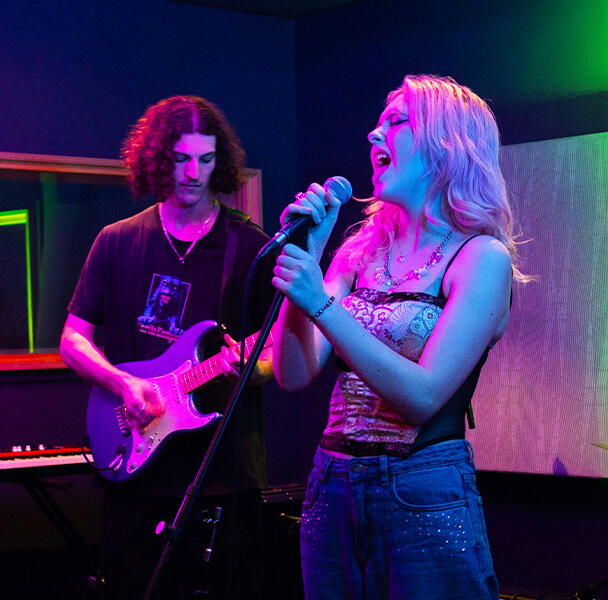
Learn in world-class studio environments
At SAE, you’ll find analog and digital hybrid studios with plug-and-play accessibility and all the latest recording, mixing and mastering equipment and instruments.
Practical, immersive training supported by mentoring
We offer small classes and one-on-one mentoring opportunities, ensuring you feel supported as you work on real-world projects and briefs.
Creative collaboration
As your skills develop and you work on more dynamic projects, you’ll apply your capabilities to cross-discipline projects, working with your creative peers across audio, film, games and animation.
Immersive learning opportunities
From international study tours in Germany to intensive units available at our Byron Bay campus, the opportunities for unique learning experiences are all around you at SAE.
Enhance your career prospects
Graduate with a packed professional portfolio, industry work experience, employability and entrepreneurial skills, and a network of fellow creatives.