



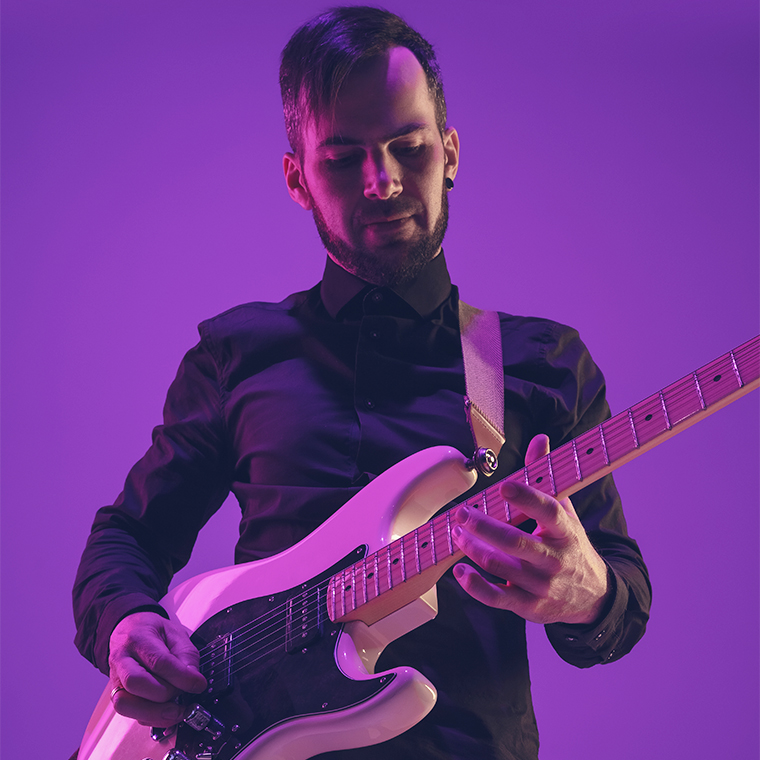
Make Music Your Future
Tools and Our Industry Partners









Strategic Partners

What you will learn with Bachelor of Music
Develop songwriting skills, music composition, arrangement, and creative development across genres for artists, media, and commercial releases.
Explore the contrast between organic and digital sound, understanding how instruments and software shape different musical textures and moods.
Build confidence in performing while learning how to capture clean, professional recordings using microphones, timing, and controlled delivery.
Understand how to present yourself on stage, connect with audiences, and manage live setups for a more engaging performance experience.
Get familiar with recording workflows, layering sounds, and shaping tracks from raw recordings into polished, release-ready music.
Develop skills for working with other artists, sharing ideas, and creating cohesive music through communication and creative teamwork.
Learn the foundations of scales, chords, and harmony to better understand how music works and improve your songwriting and composition.
Explore how sound behaves, including frequency, pitch, and dynamics, giving you better control over how your music is created and heard.
Understand the tools behind modern music, from recording equipment to software, and how they support the production process.
Learn how to use DAWs to record, edit, arrange, and mix music, building essential skills for producing tracks digitally.
WHAT YOU CAN BECOME
-
Music Producer
-

Songwriter
-

Composer for Film, TV and Games
-

Live Musician
-

DJ
-
Electronic Music Producer
-

Sound Designer
-

Music Marketing Specialist
-

Music Entrepreneur
We don’t just talk the talk – we walk the walk.
And SAE students agree.
-
83.7%
Were positive about their skills development
-
83.5%
Rated teaching practices positively
-
85.4%
Were happy with facilities and resources
-
81.8%
Rated support and services positively
Unmatched creative spaces
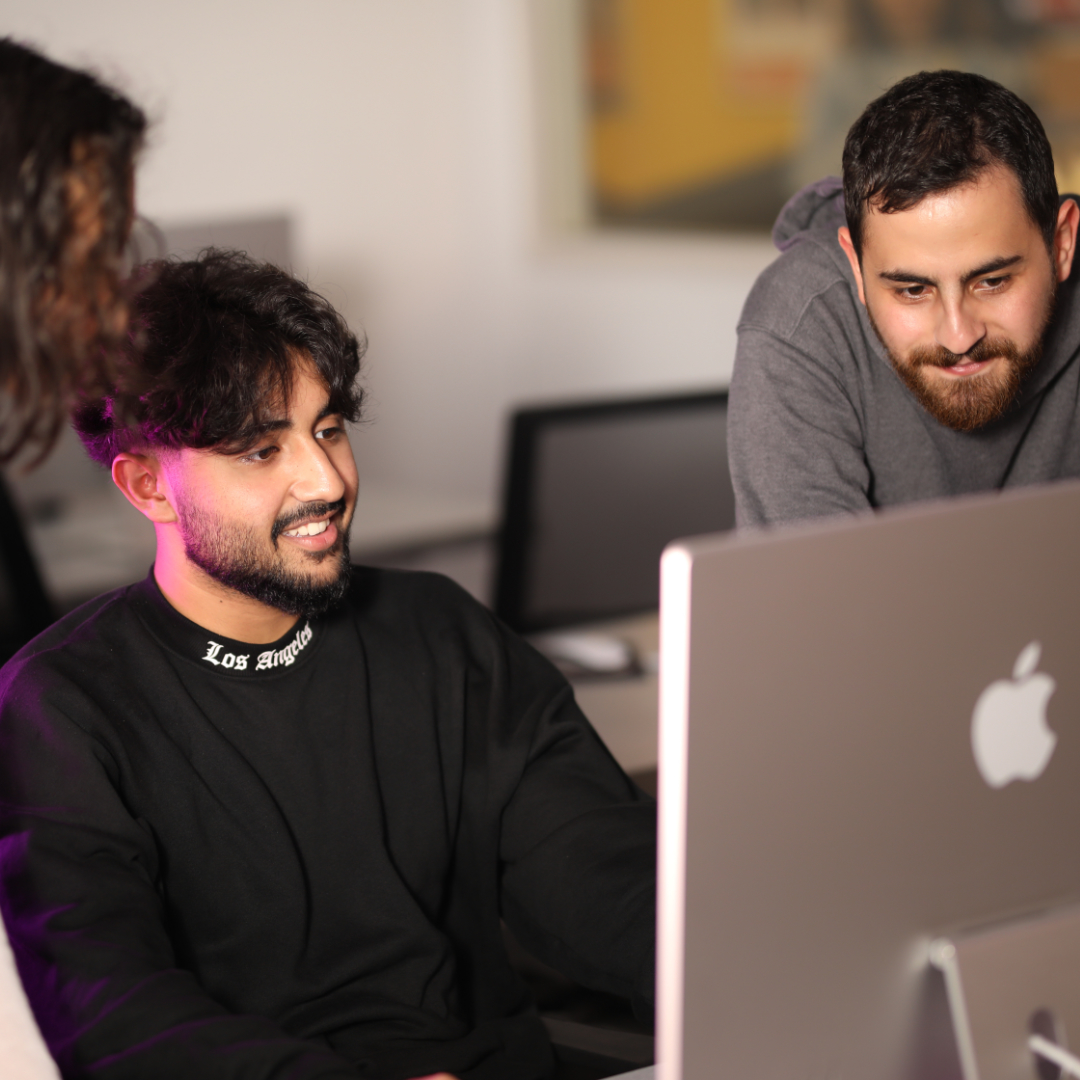
Our cross platform labs give students hands-on access to industry standard creative software. From design and audio to games and 3D, these spaces support experimentation, collaboration, and real production workflows.
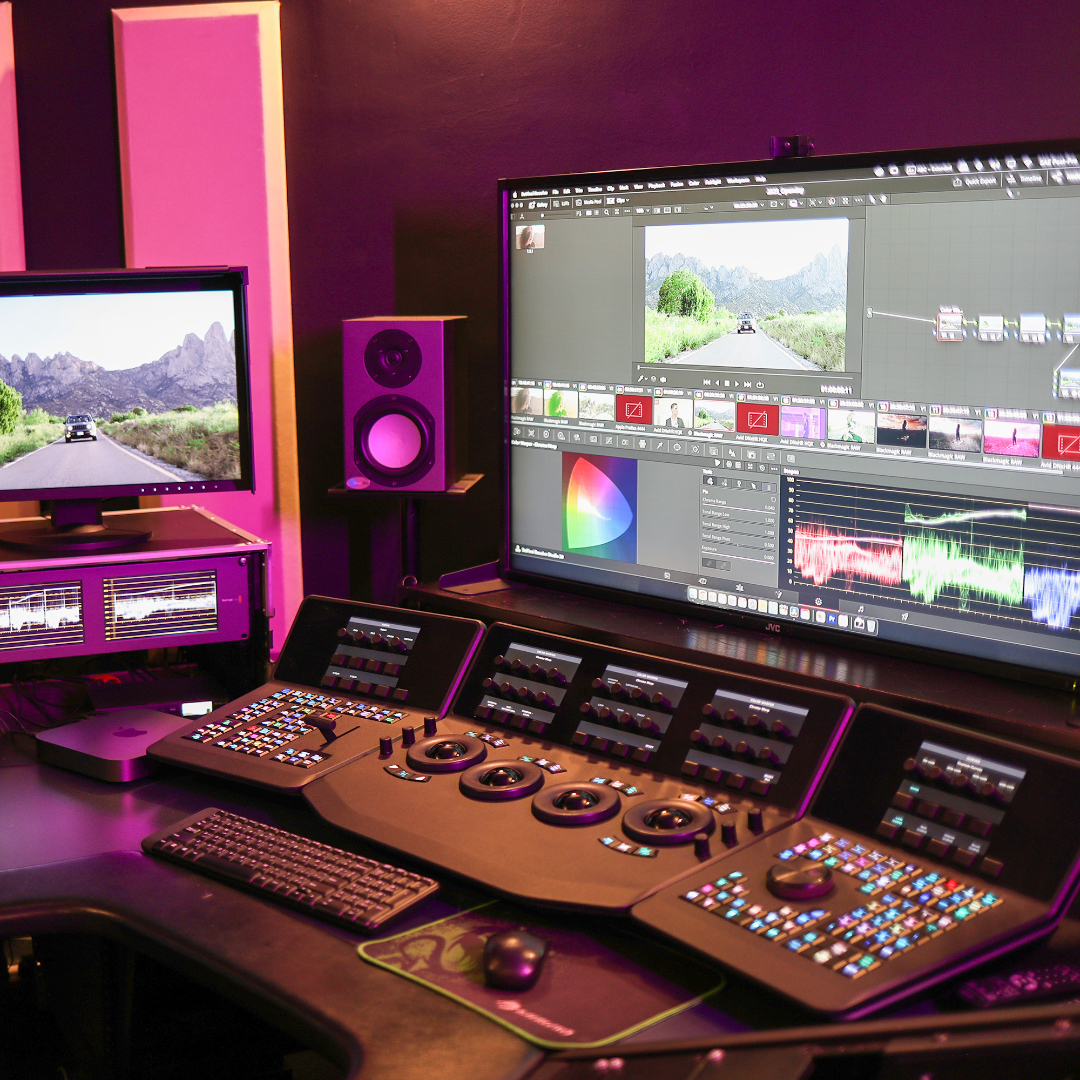
Students work in a dedicated post-production environment using DaVinci Resolve, alongside a flexible sound stage built for filming, lighting setups, and controlled studio shoots.
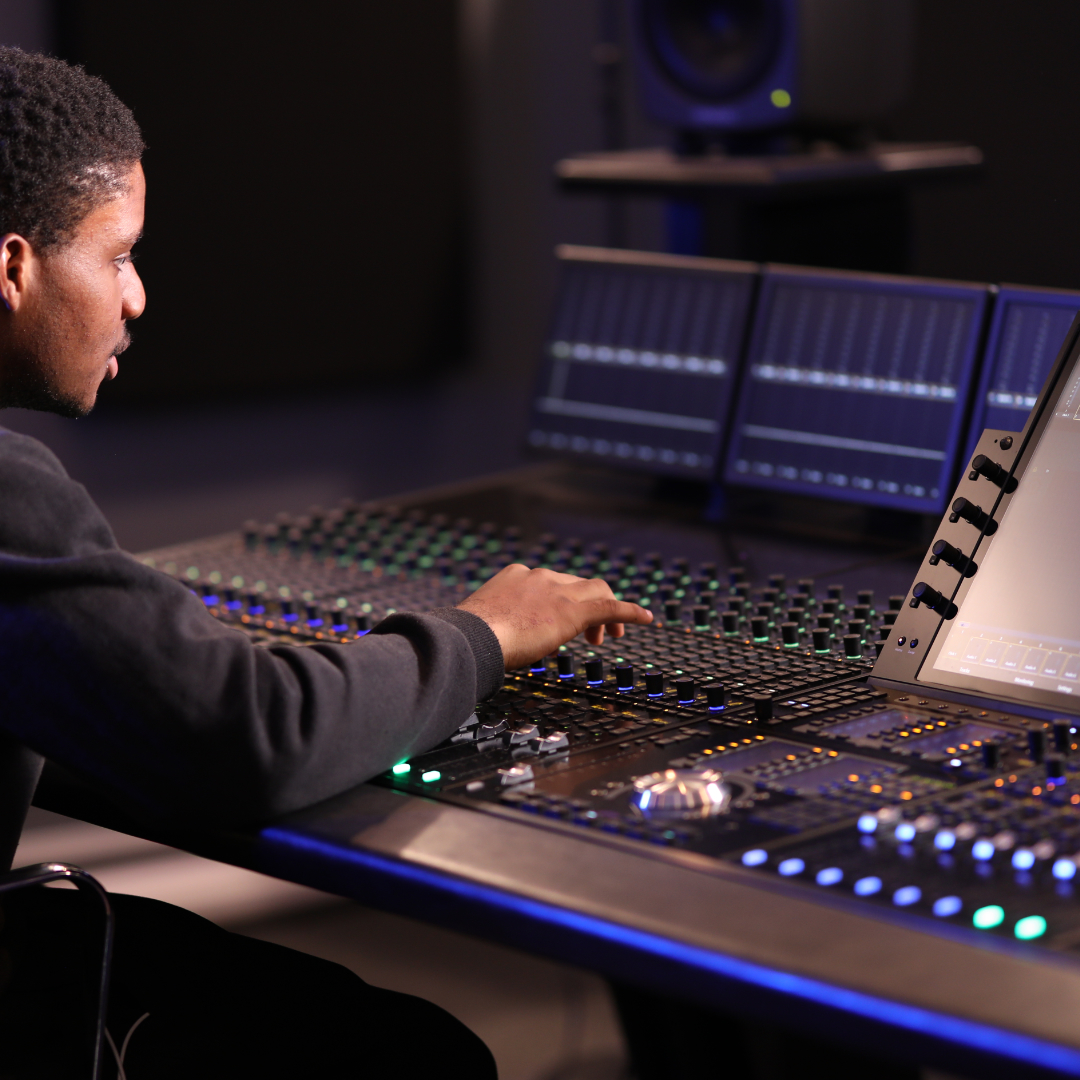
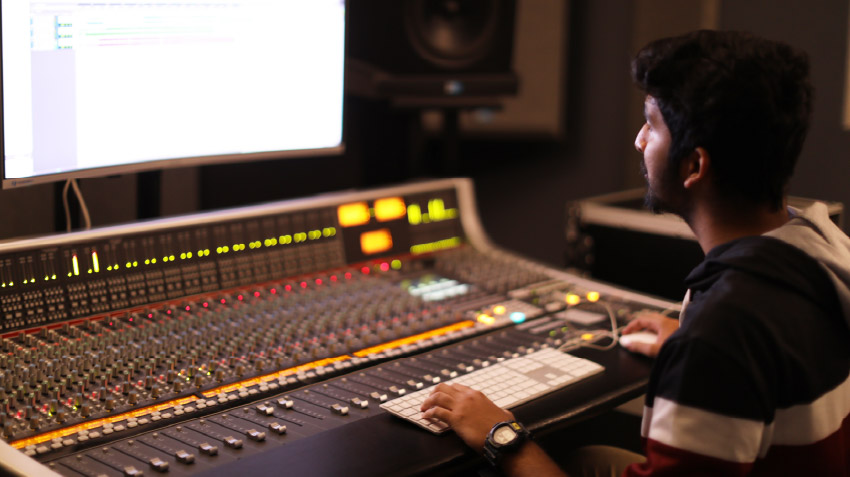
Equipped with SSL, Audient, and Avid systems, our studios include attached live rooms for recording, foley work, and live sound, mirroring professional audio production environments.
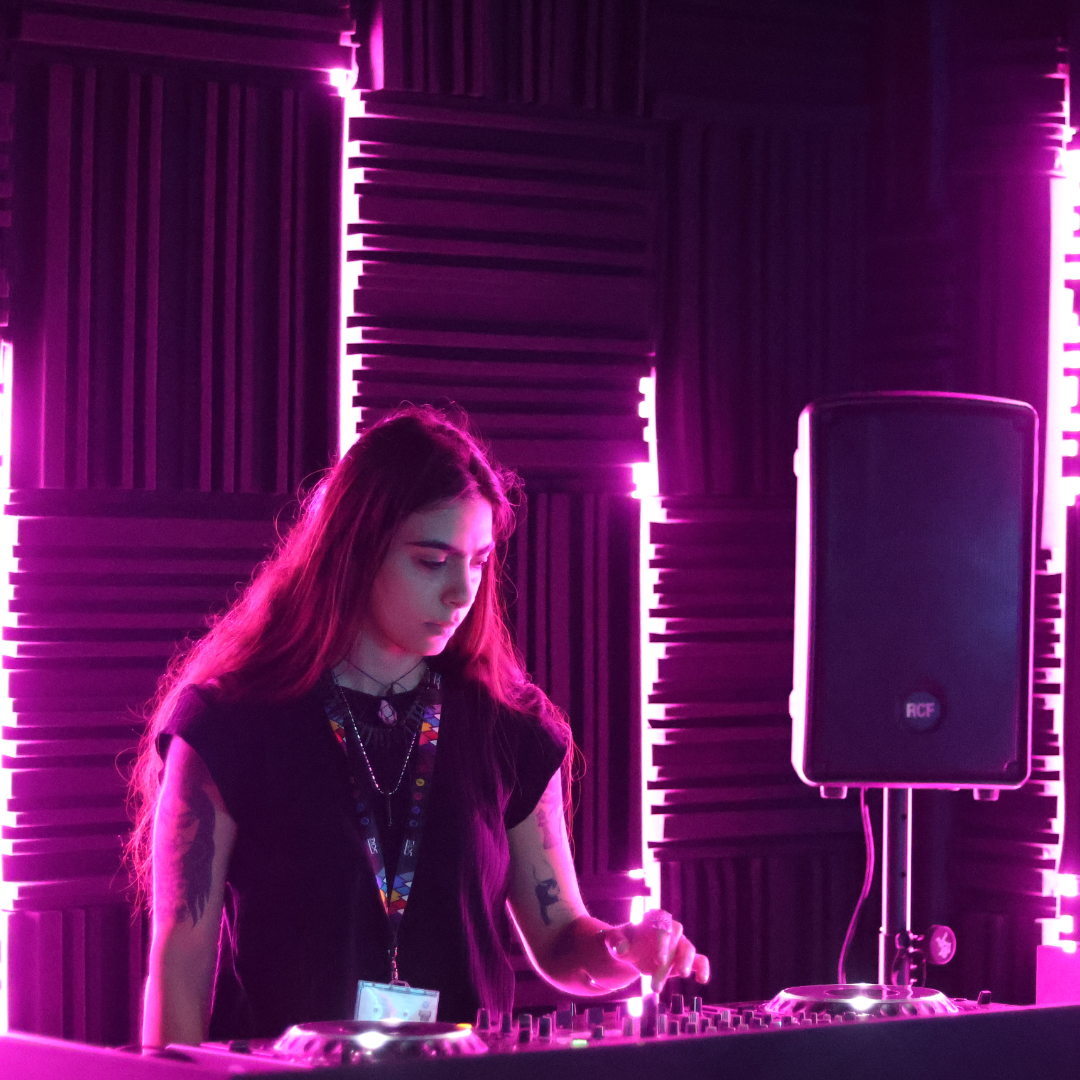
The DJ suite features professional Pioneer equipment, giving students a realistic setup for mixing, performance practice, and understanding club standard workflows.
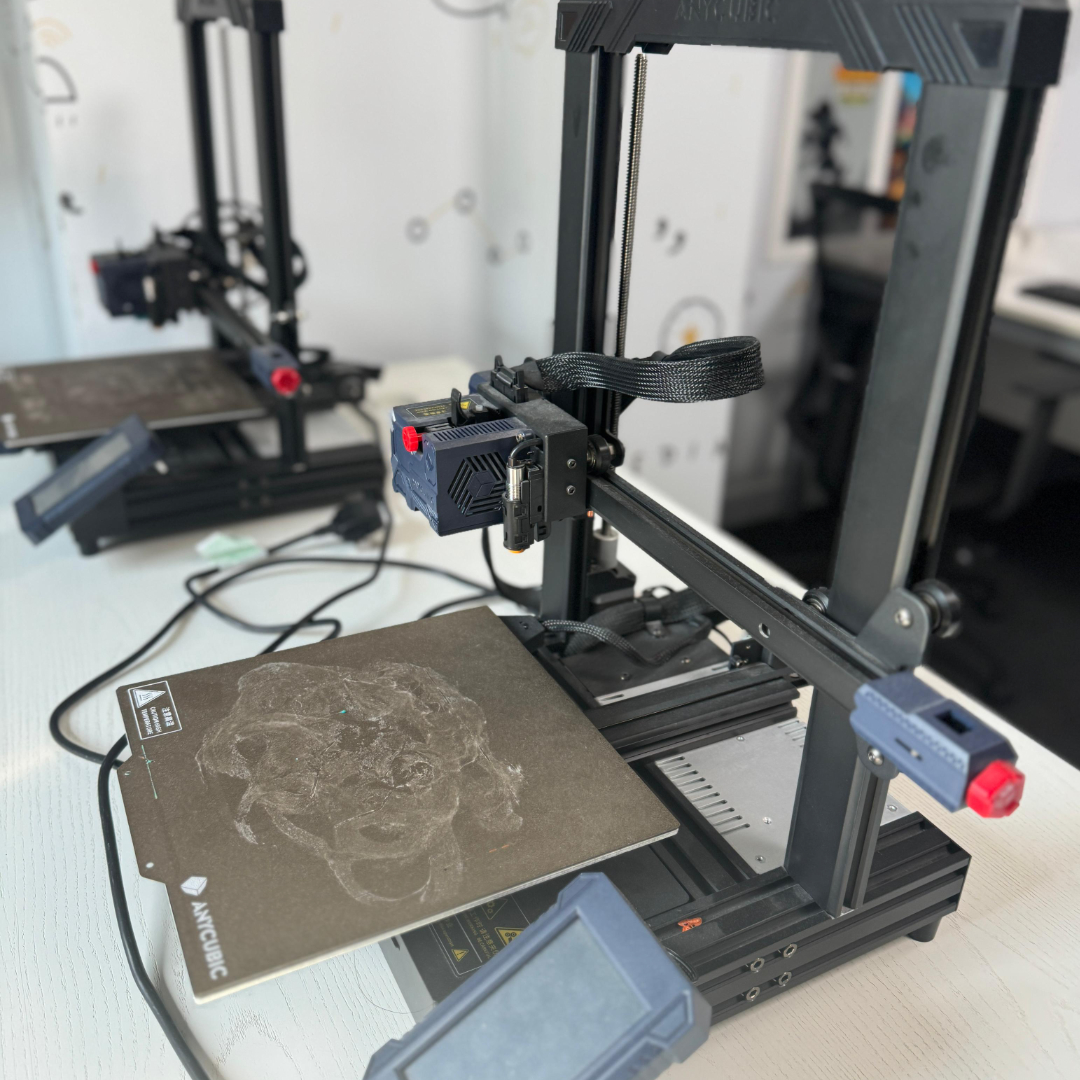
With multiple Anycubic FDM 3D printers, students can produce game assets, physical prototypes, and board game components as part of their creative and technical process.
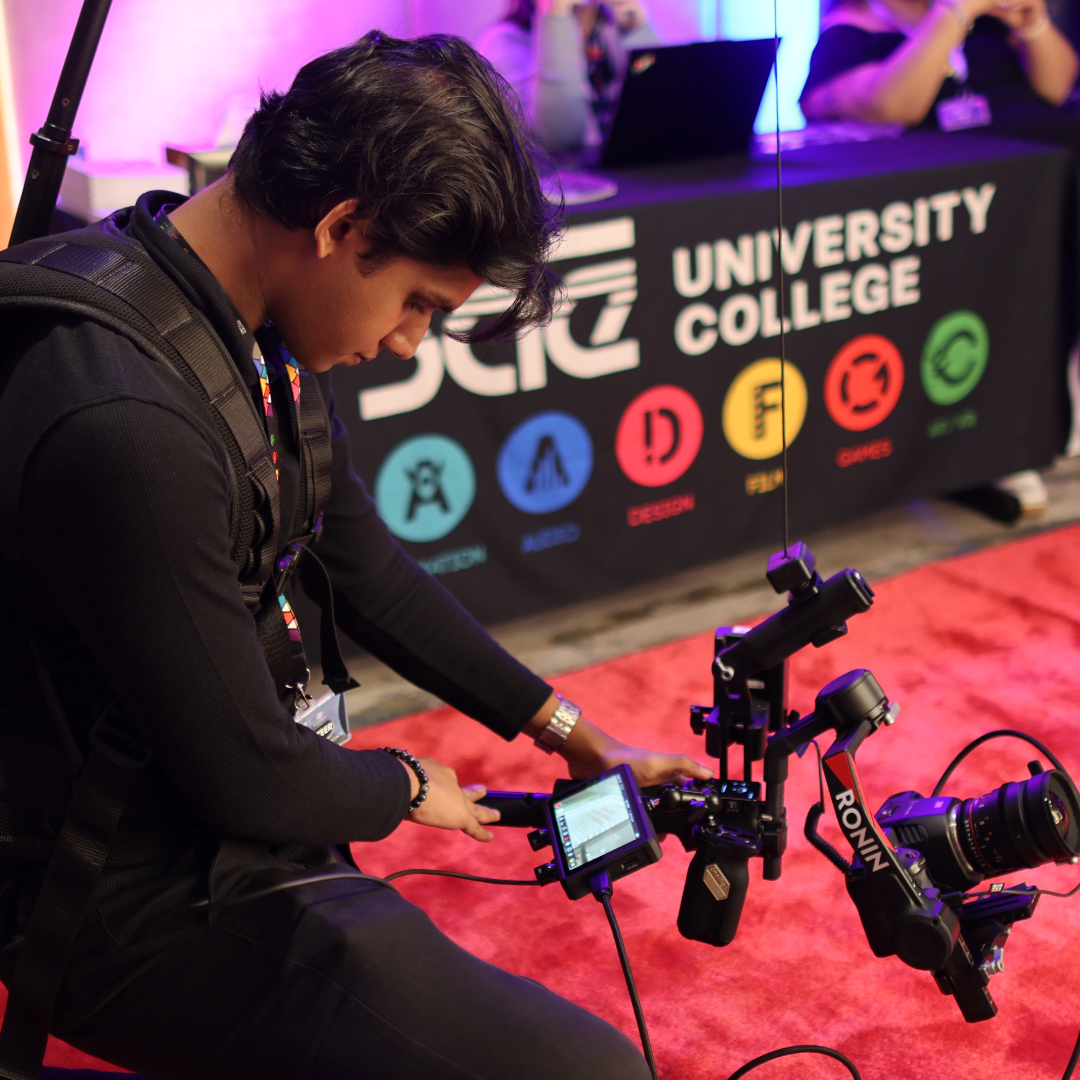
Students train with industry standard cinema cameras such as the RED Komodo and Blackmagic URSA Mini 4.6K, supported by pro-sumer cine lenses and essential accessories to deliver polished, high quality productions.
What our students say about SAE
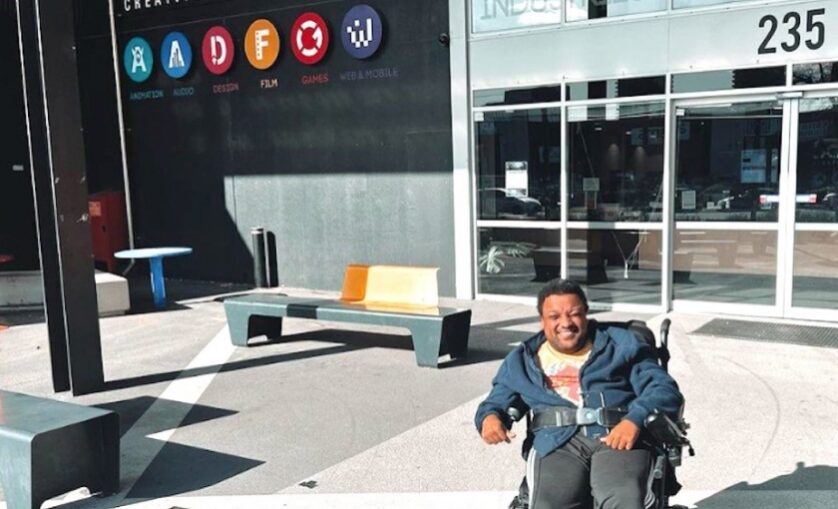
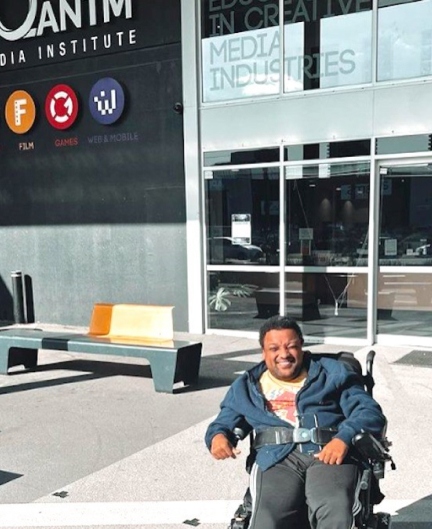
Samson Hailu
Bachelor of Music student

Isabella Piper
SAE Alumni | Current Job: Producer, Vocalist, Performer and DJ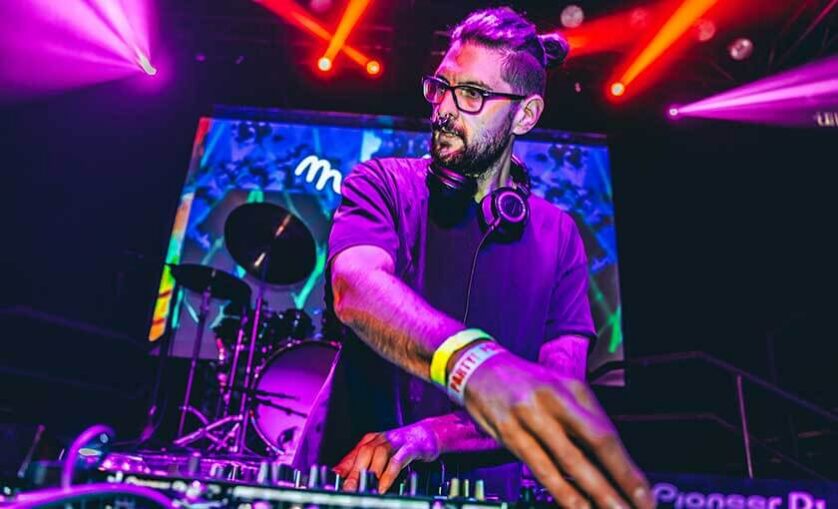
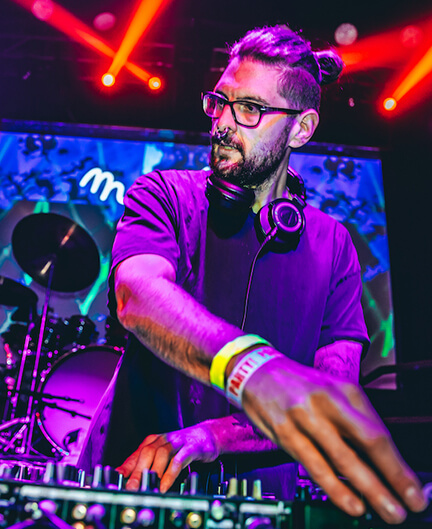
Bill Day
SAE Alumni | Current Job: DJ Bill Day AKA Mr Bill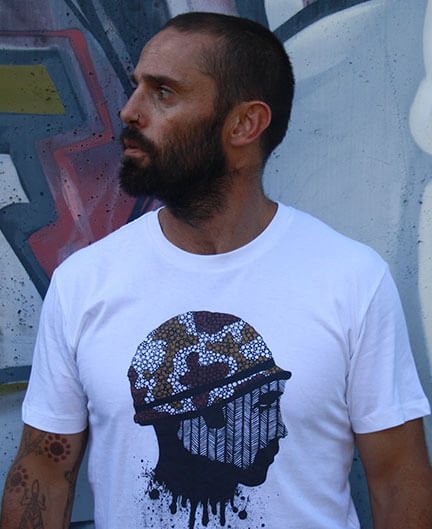
Michael Weir
SAE Alumni | Current Job: Professional MusicianMusic
Here are some frequently asked questions.
A career in music production involves shaping the sound of a song or recording. Producers work with artists to arrange, record, edit, and mix tracks. They make creative and technical decisions that influence how a song feels and how it connects with listeners. Some producers also help guide the direction of a project or manage studio sessions.
Producers work across many genres, including pop, rock, electronic, hip hop, classical, and more. Some specialise in a particular style, while others are more versatile. Whether working with bands, solo artists, or composing for film or games, producers play a key role in shaping the final sound.
A recording studio might include a producer, audio engineer, mixing engineer, mastering engineer, and session musicians. Larger projects may also involve vocal producers, sound designers, or editors. Each role focuses on a specific part of the process to bring a track to life.
While having musical skills can help, you don’t need to be a performer or composer to work in music production. A good ear, strong technical ability, and a creative mindset are often more important. Many successful producers don’t play instruments but understand how to guide and shape sound.
Start by learning the basics of recording and mixing. You can begin with simple equipment at home and experiment with creating and editing tracks. Studying music production at SAE can help you develop a deeper understanding of the process and build a portfolio of work to show potential clients or employers.
To begin, you’ll need a computer, audio interface, headphones or monitors, and a digital audio workstation (DAW) such as Ableton Live, Logic Pro, or Pro Tools. A microphone and a MIDI keyboard are also useful. As you progress, you can build your setup based on your style and goals. As part of your course at SAE you’ll get hands-on experience with the tools of the trade.
You don’t need to be an expert in music theory, but having a basic understanding can be helpful. Knowing how chords, scales, and rhythms work can make it easier to communicate with musicians and make stronger creative decisions. Many producers learn theory gradually as they work on more music.
You’ll need a good ear for detail, an understanding of audio frequencies, and knowledge of how to balance and enhance sound. Mixing involves adjusting levels, EQ, compression, and effects to create a clear and engaging track. Mastering ensures the final version sounds polished and consistent across different platforms.